The Rivit Invoices blog
Getting paid, honestly
Research-backed writing on the unglamorous half of freelancing: late payments, fees, payment terms, invoice fraud, scope creep — and what fixes them. Stats cited, caveats included.
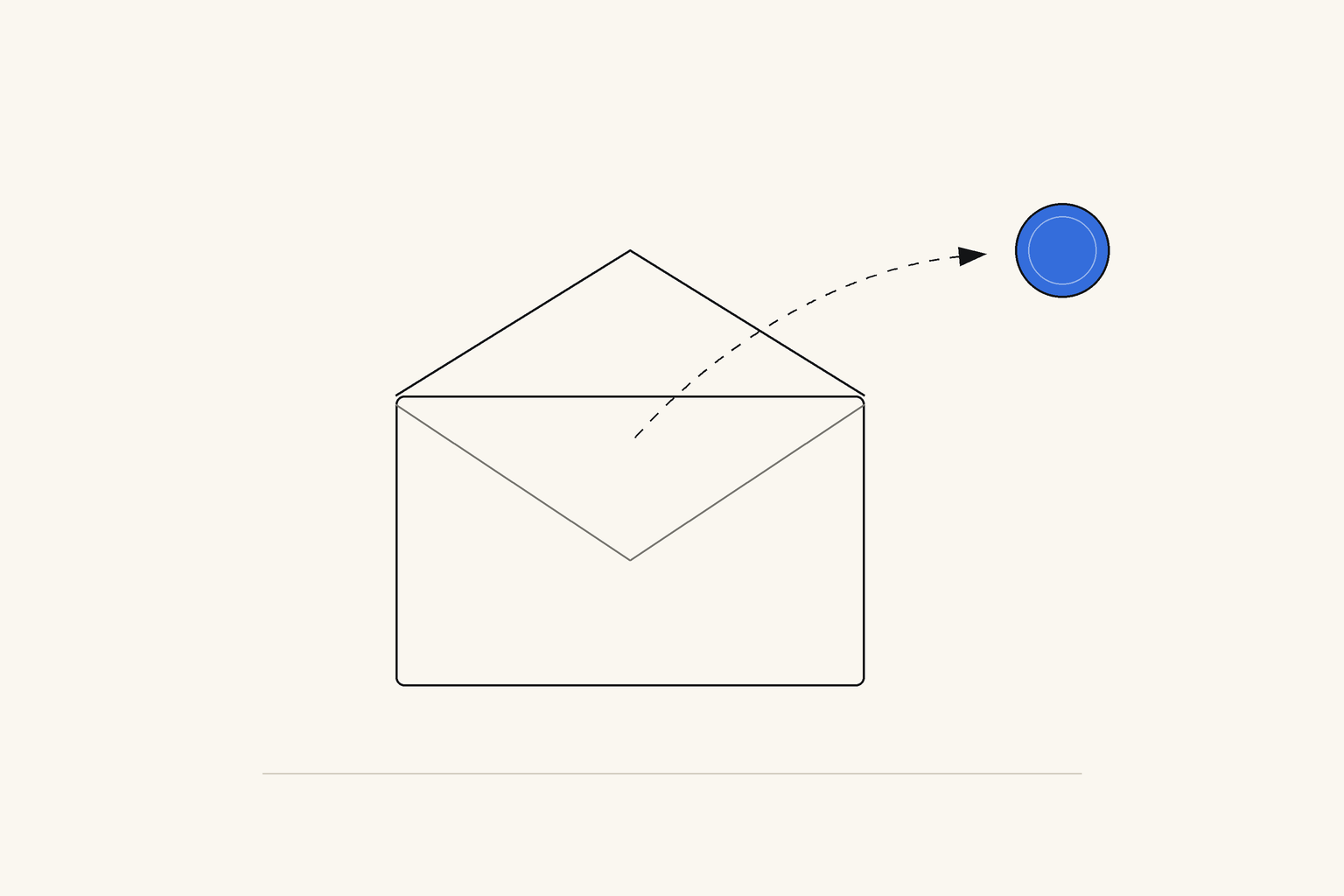
A card payment isn't final for 120 days. What a chargeback actually does to your balance, the 7–21 days you get to answer it, and why the boring invoice record is the only argument that travels.
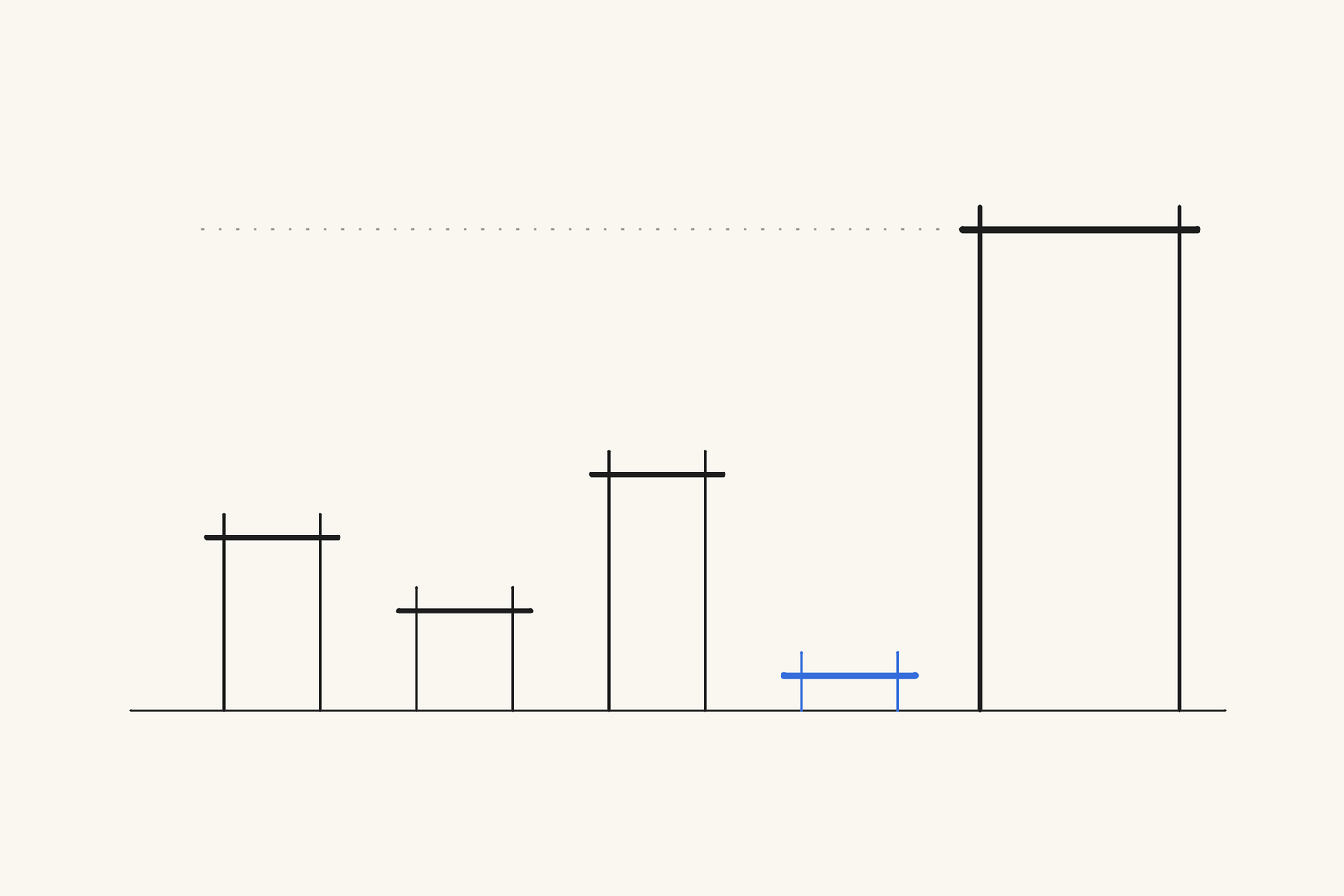
The federal 1099-K threshold is $20,000 and 200 transactions again. But Illinois files at $1,000, six places at $600, and Rhode Island at $100 — and what you owe never depended on the form arriving.
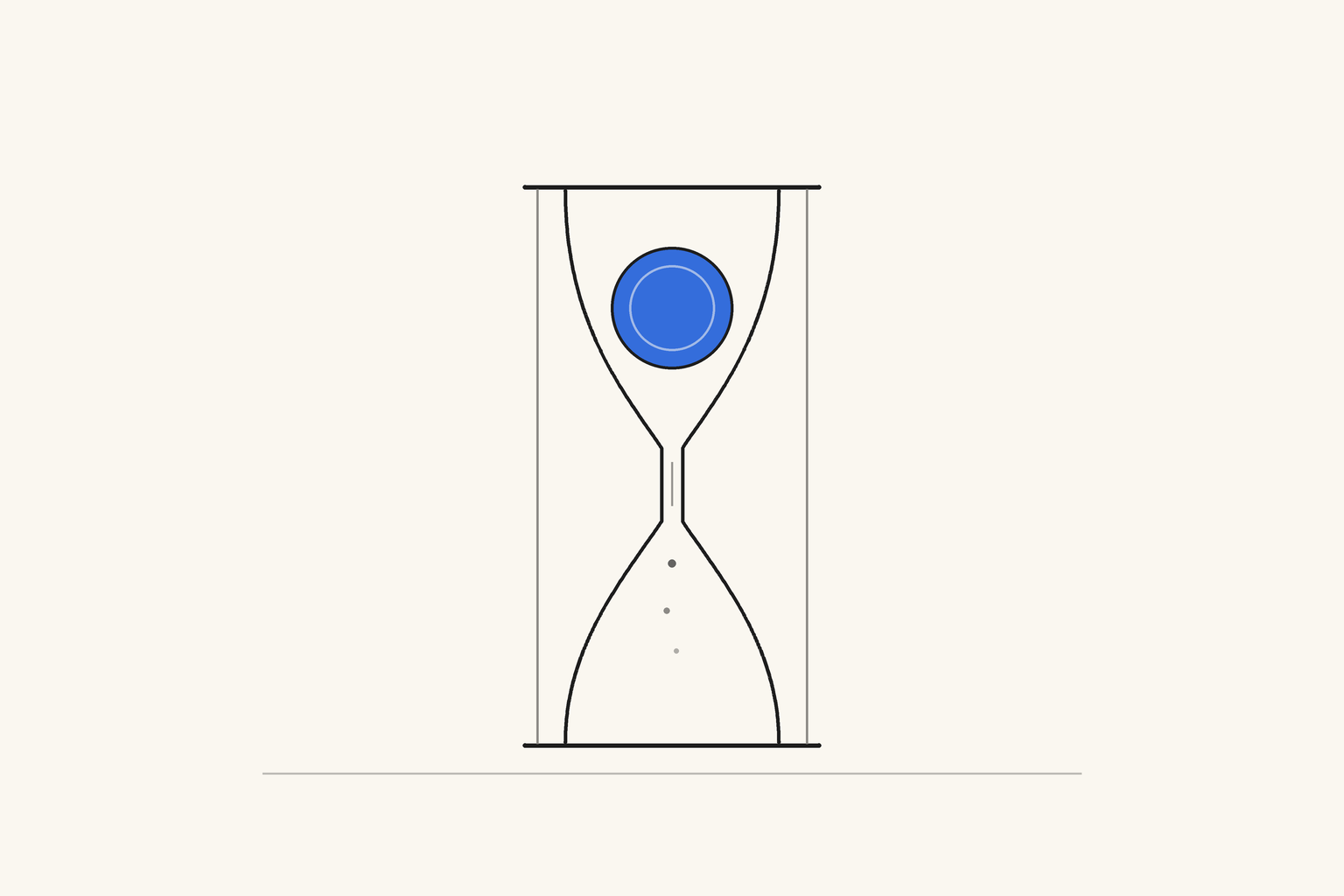
Card, ACH, wire, check — every payment rail has a different lag between paid and spendable. Why paid is three different days, and how to plan around the one your bank agrees with.
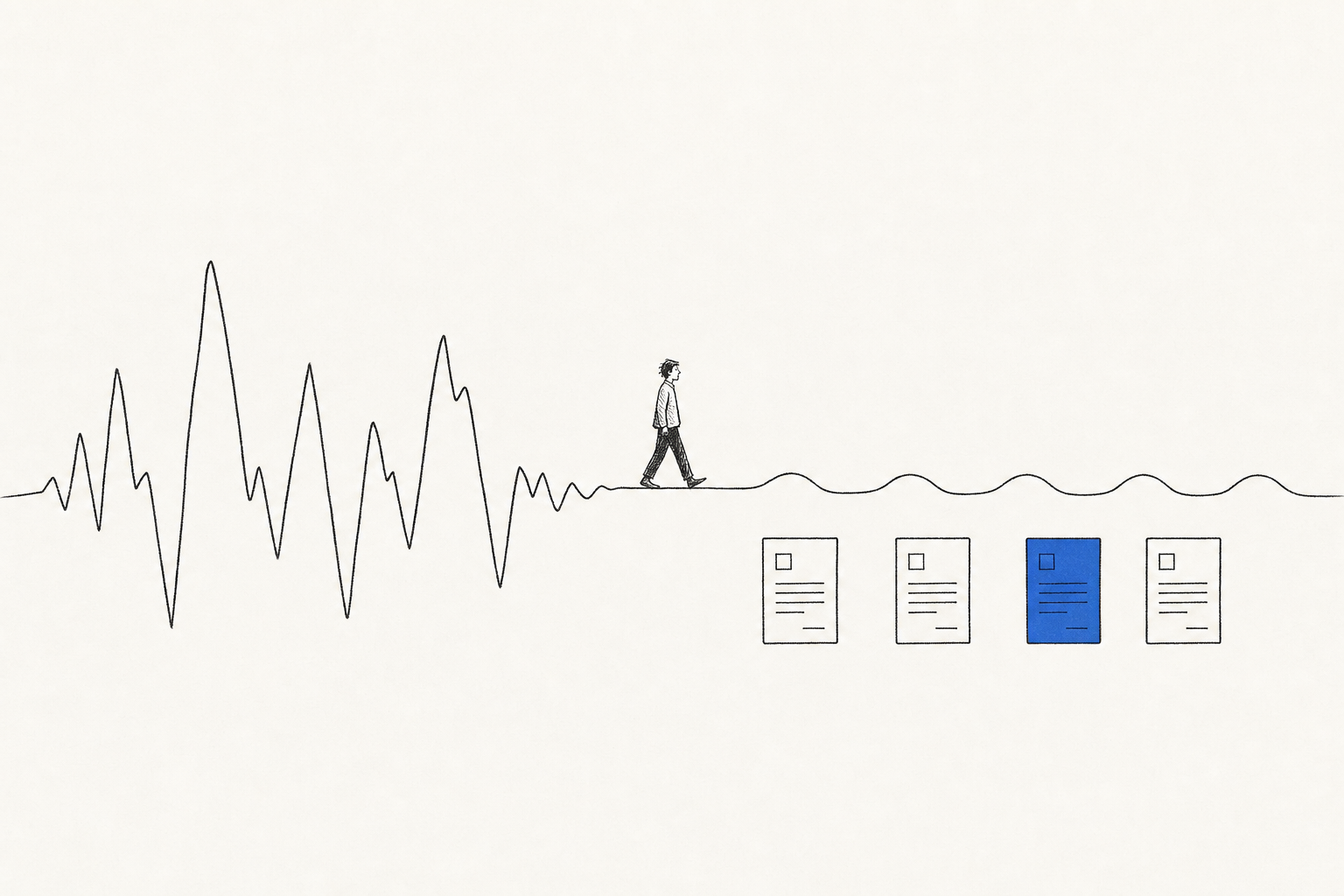
59% of self-employed Americans have income that swings month to month. The case for retainers — and a recurring-invoice loop that doesn't auto-charge anyone's card.
52% of projects experience scope creep. A three-sentence system: name it, price it in writing, and put it on the invoice as its own line.
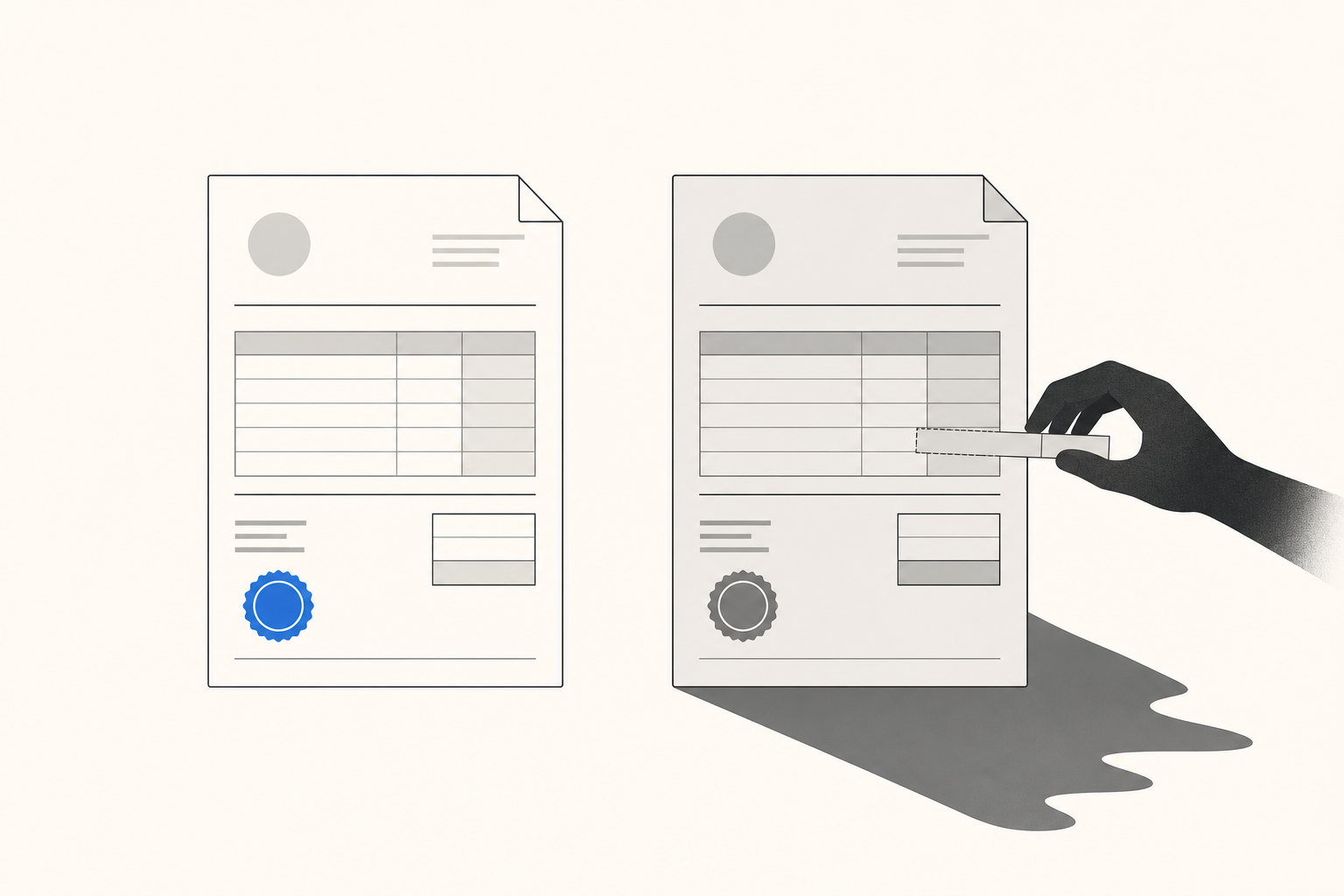
Invoice fraud moved $3.04B in 2025. How scammers redirect freelancer payments with swapped bank details — and how a pay-by-link invoice closes the gap.
New York's Freelance Isn't Free Act guarantees written contracts, timely payment, and double damages. What the new freelance payment laws give you — and the paper trail that makes them work.

Freelancers spend ~102 hours a year chasing payments. Most late invoices are inertia, not refusal — and chasing with information beats chasing with vibes.